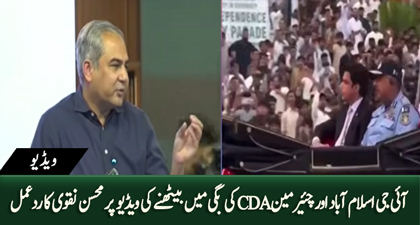
 Mohsin Naqvi reacts to viral video of IG Islamabad & CDA Chairman sitting in a 'Baggi'
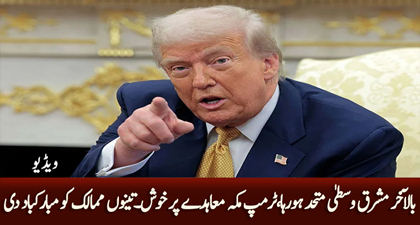 Trump hails 'Mecca Defense Pact' b/w Pakistan, Saudi Arabia and Türkiye after days
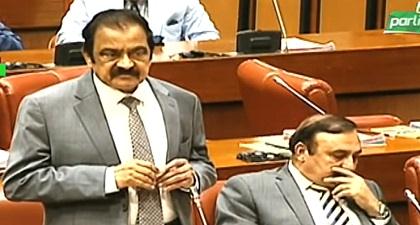 “Who will be responsible if anything happens To Imran Khan?” Rana Sanaullah's statement in Senate
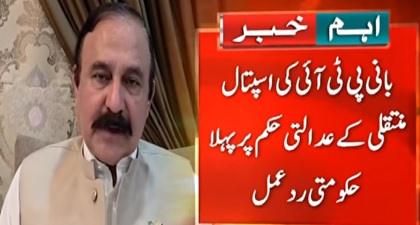 Government's first reaction to SC's order on Imran Khan's hospital transfer
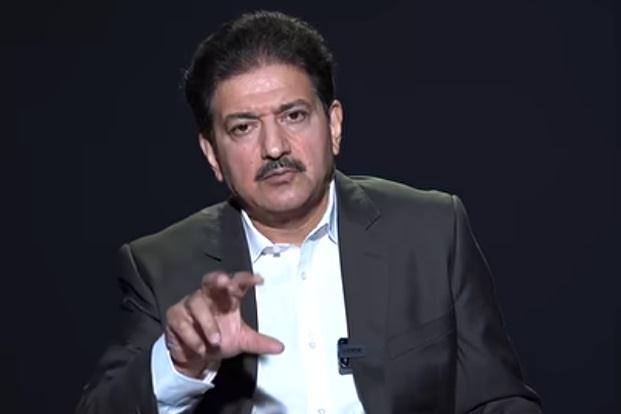 Can new provinces solve our problems? Hamid Mir's analysis
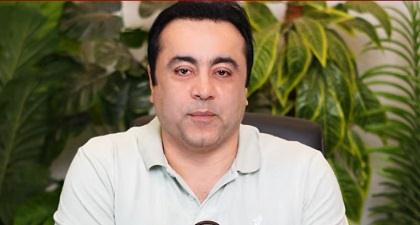 SC's order to shift Imran Khan to Shifa Hospital, big relief for PTI - Mansoor Ali Khan's analysis

LAHORE:
While turning down a request to temporarily reopen YouTube on Thursday, the Lahore High Court ordered the Ministry of Information Technology to tell the court, on July 25, how it could block access to specific URLs.
The video-sharing website has been blocked in Pakistan since September 2012 following protests about a 14-minute trailer of the film Innocence of Muslims. The then prime minister Raja Pervez Ashraf ordered the ban after YouTube refused to remove the movie from the website at the Pakistani government’s request.
Bytes For All, an NGO, moved the court in January seeking lifting of the ban.
On Thursday, the petitioner’s counsel told the court that instead of blocking access to the entire website, only the objectionable material could be blocked. The Ministry, however, expressed its inability to do so. Justice Mansoor Ali Shah remarked that he was not an expert on the matter and asked the Ministry to form a committee and invite suggestions from the public on how to block access to specific material.
The petition describes the ban as ‘counterproductive’ and one that deprives Pakistanis of the right to access information as well as the right to counter any propaganda against the country. Taking away access to YouTube, says the petition, is the modern-day equivalent of “taking away the scholar’s pen”.
Source: Express Tribune